

Get 4 months of Diggit free! Enquire now.
We're driving innovation in archaeology
Stay up to date with the latest
July 2026 and we're celebrating International footie, but *without* Infantino, VAR and mid-half ad breaks!
This year we were thrilled to sponsor the Worcester Sorcerers at the Wincklemann Cup, an annual archaeological tournament of the beautiful game.
The Sorcerers spent a sunny weekend in Freiburg, Germany introducing other giants from throughout Europe to their unique brand of liquid football, whilst presumably also spending an equal amount of time explaining how to pronounce their name.
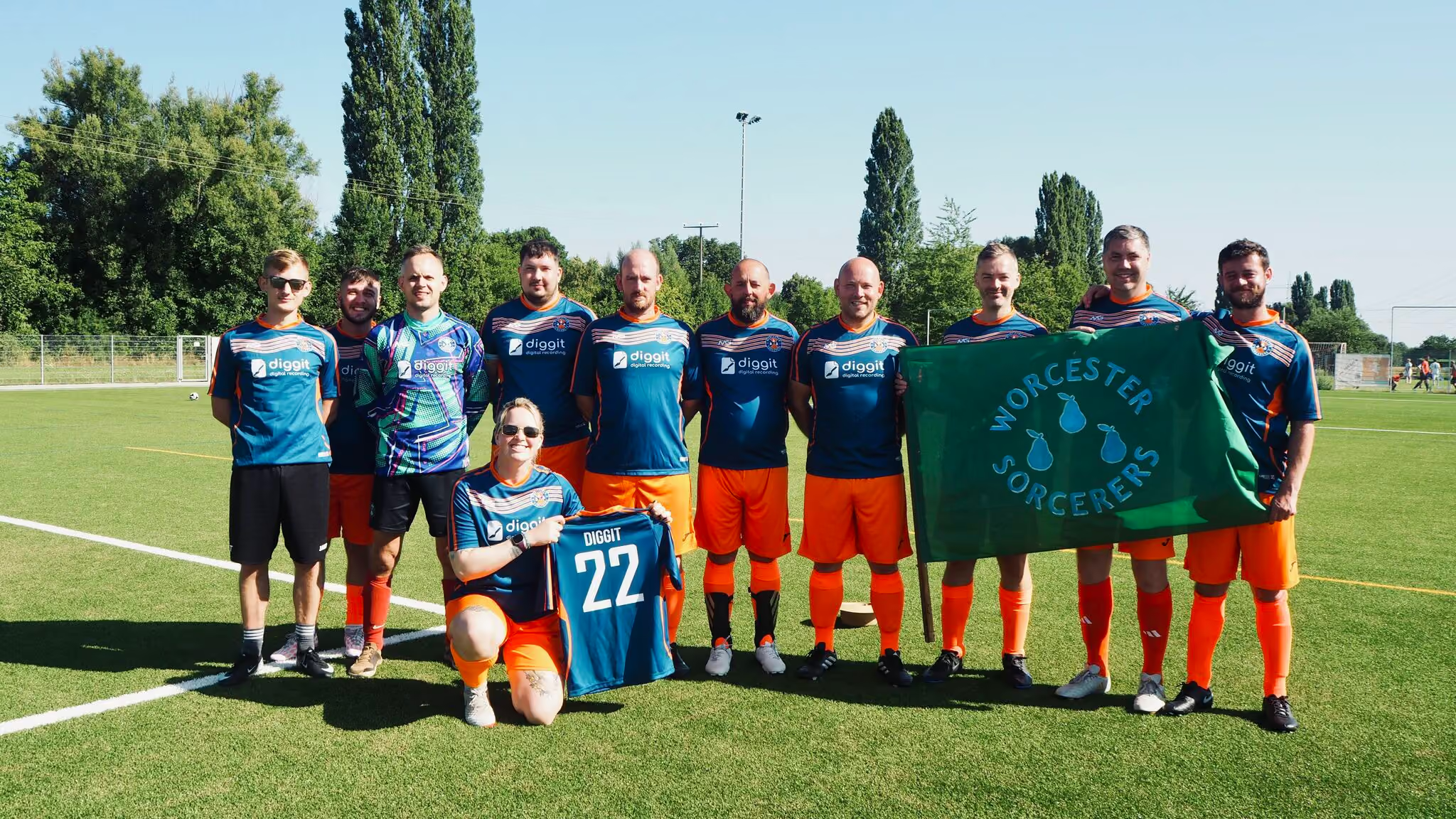
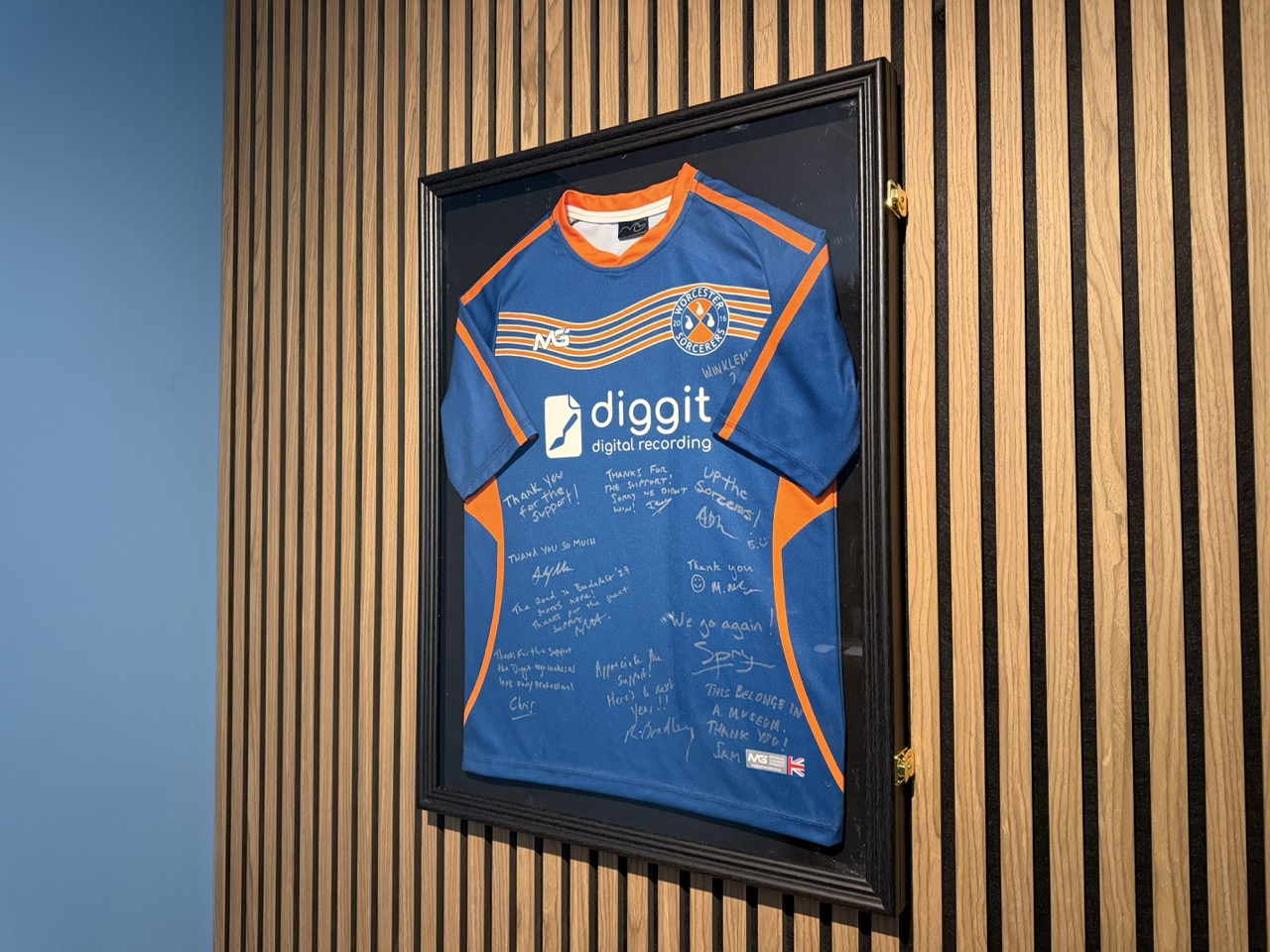
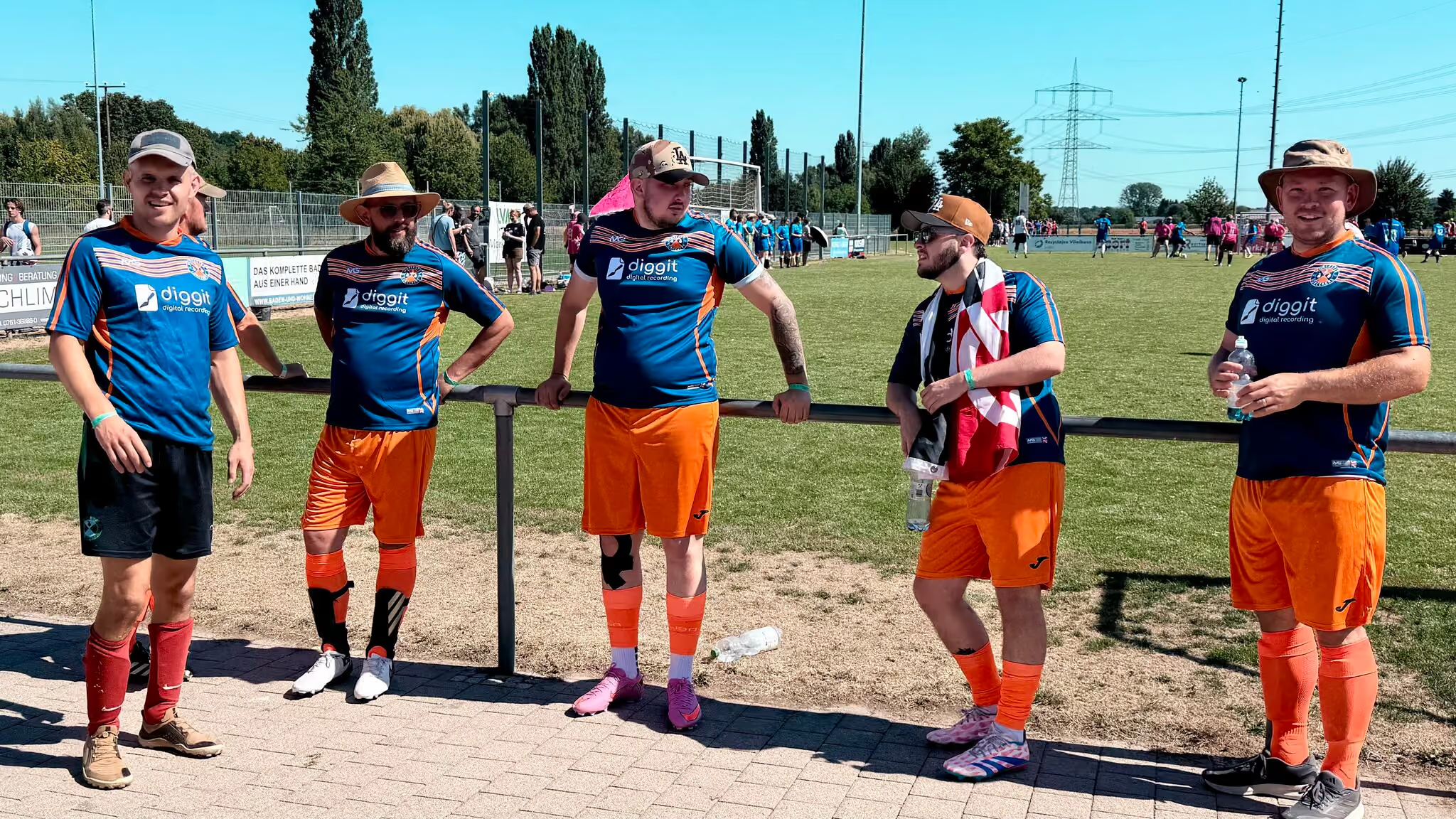
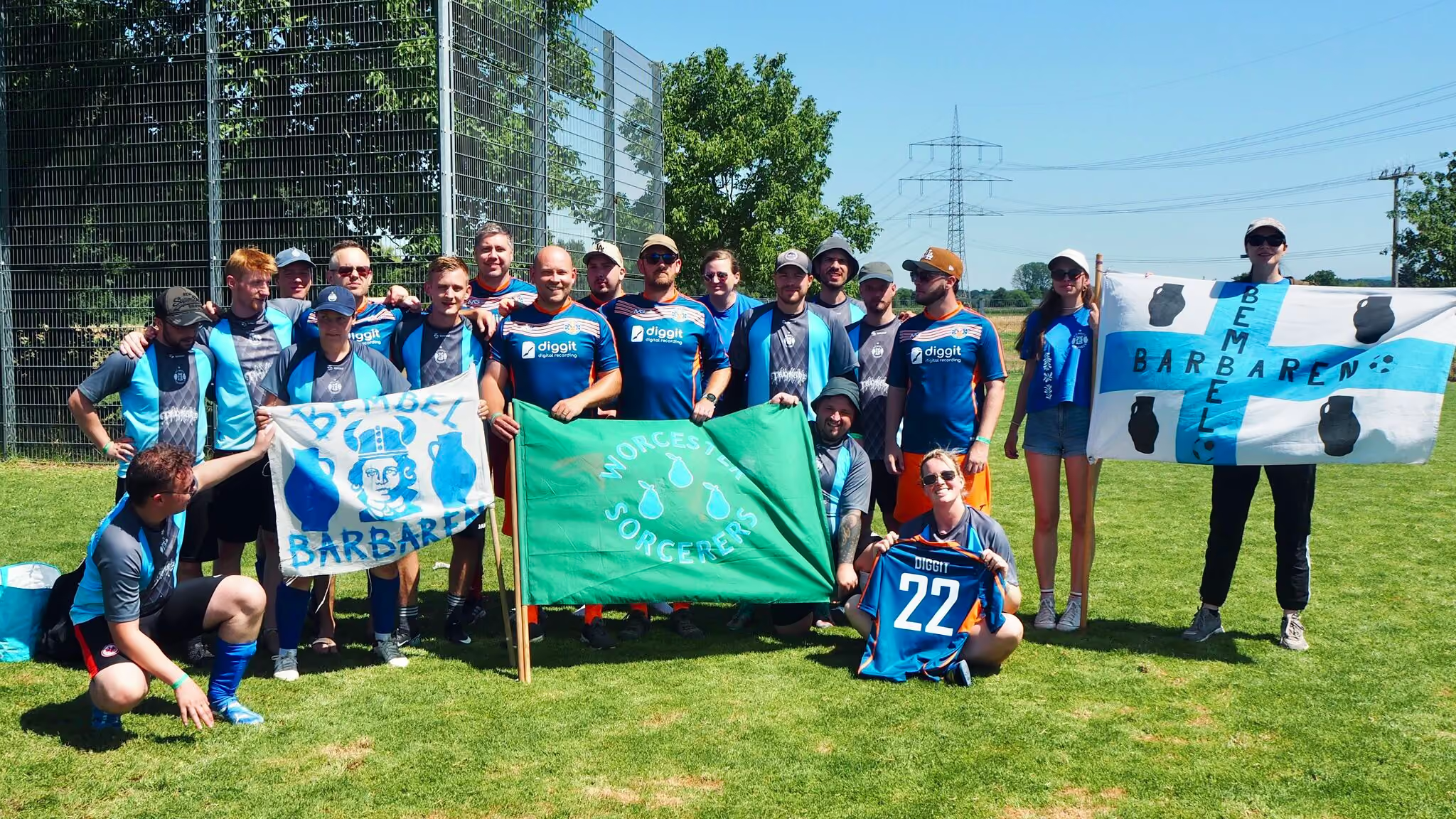
It genuinely brings a smile to our faces to see archaeologists from far and wide come together like this, so a huge congrats and thanks from us at Diggit to everyone who organised and took part!
June 2026 has seen Diggit pass another major milestone - its has now been used on over 2,000 excavations worldwide, making it what we believe to be the most widely used digital recording system in archaeology.
Here's to over 2000 excavations benefitting from;
• Online-offline peace of mind
• Digital recording on any mobile device
• Accessible, user-friendly inputs
• The confidence of using an archaeological recording standard
Once again, a massive thanks to all our users for making this possible. It's your input that keeps Diggit growing!
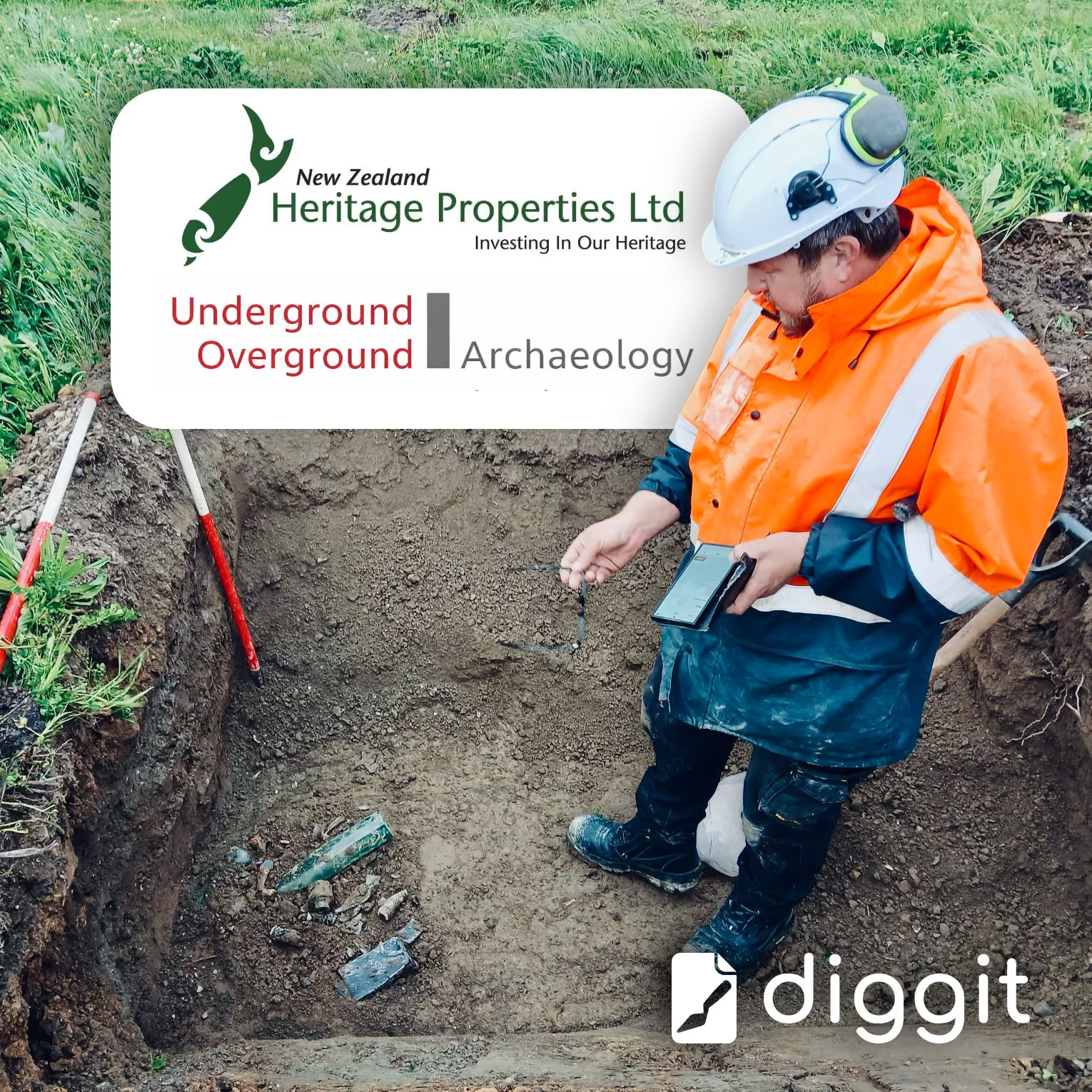
Diggit is now being used on extended commercial excavations in New Zealand with Underground Overground Archaeology and New Zealand Heritage Properties Ltd.
Using Diggit online and offline, their teams have recorded everything from:
• 19th century rubbish pits, foundations, and postholes
• infrastructure trench archaeology
• pre-colonial Māori archaeology including rua/storage pits (underground food storage features) and hāngī/earth ovens used for cooking
• midden deposits and cultural layers
Huge thanks to both organisations for contributing to Diggit's international standard through their usage and feedback!
May 2026 marks 4 years since Diggit launched! 30+ free updates later, we’re now almost certainly archaeology’s biggest digital recording system worldwide. A HUGE thank you to all our users for helping us get here!
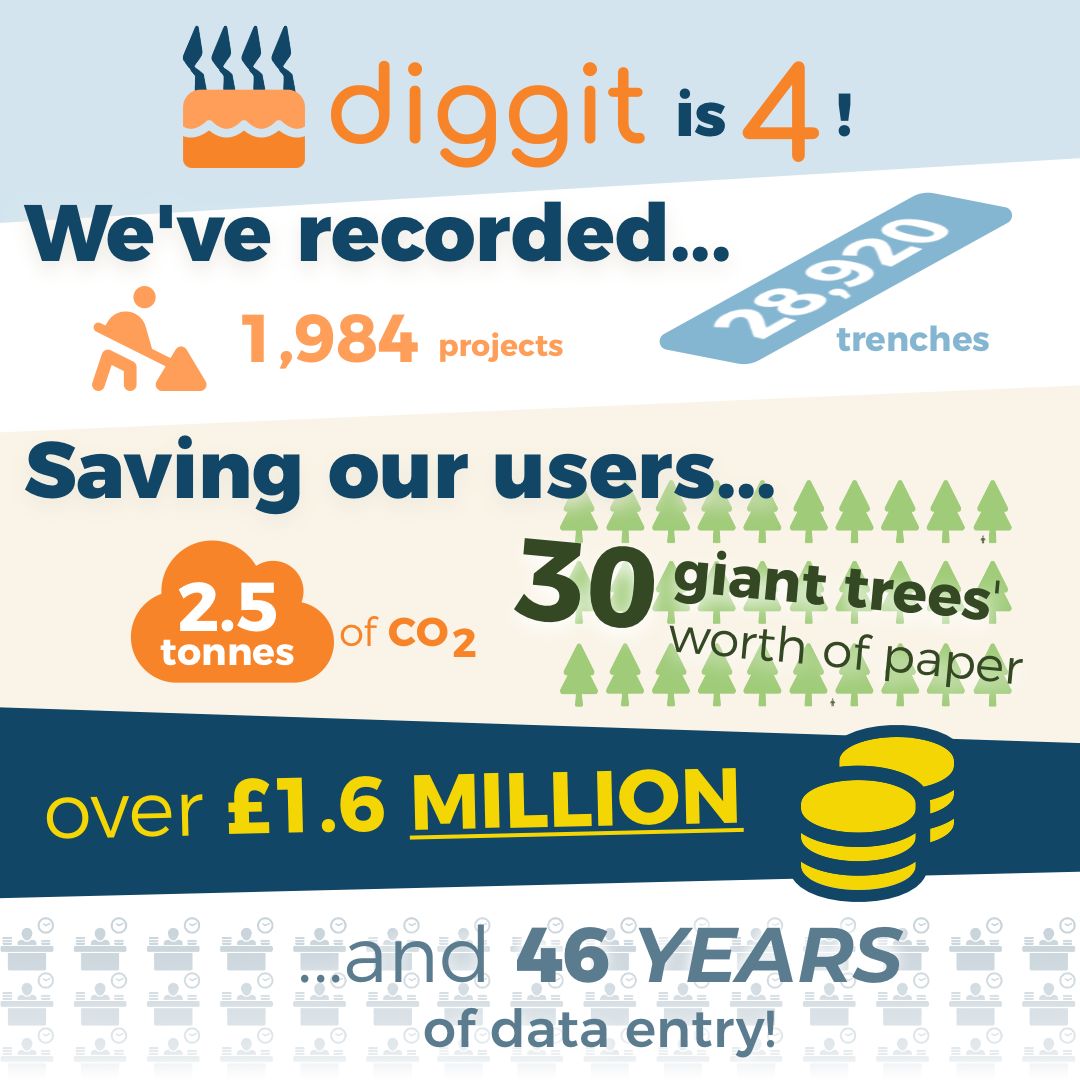
Since we began, by Diggit's 4th birthday archaeologists using it have recorded:
1,984 excavations
🚧 28,920 trenches
And saved:
🗓️ 46 years of data entry
💷 over £1.6 million in time and admin costs
🌲 30 giant trees of paper
☁️ 2.5 tonnes of CO2 emissions
And as always, we're still just getting started...
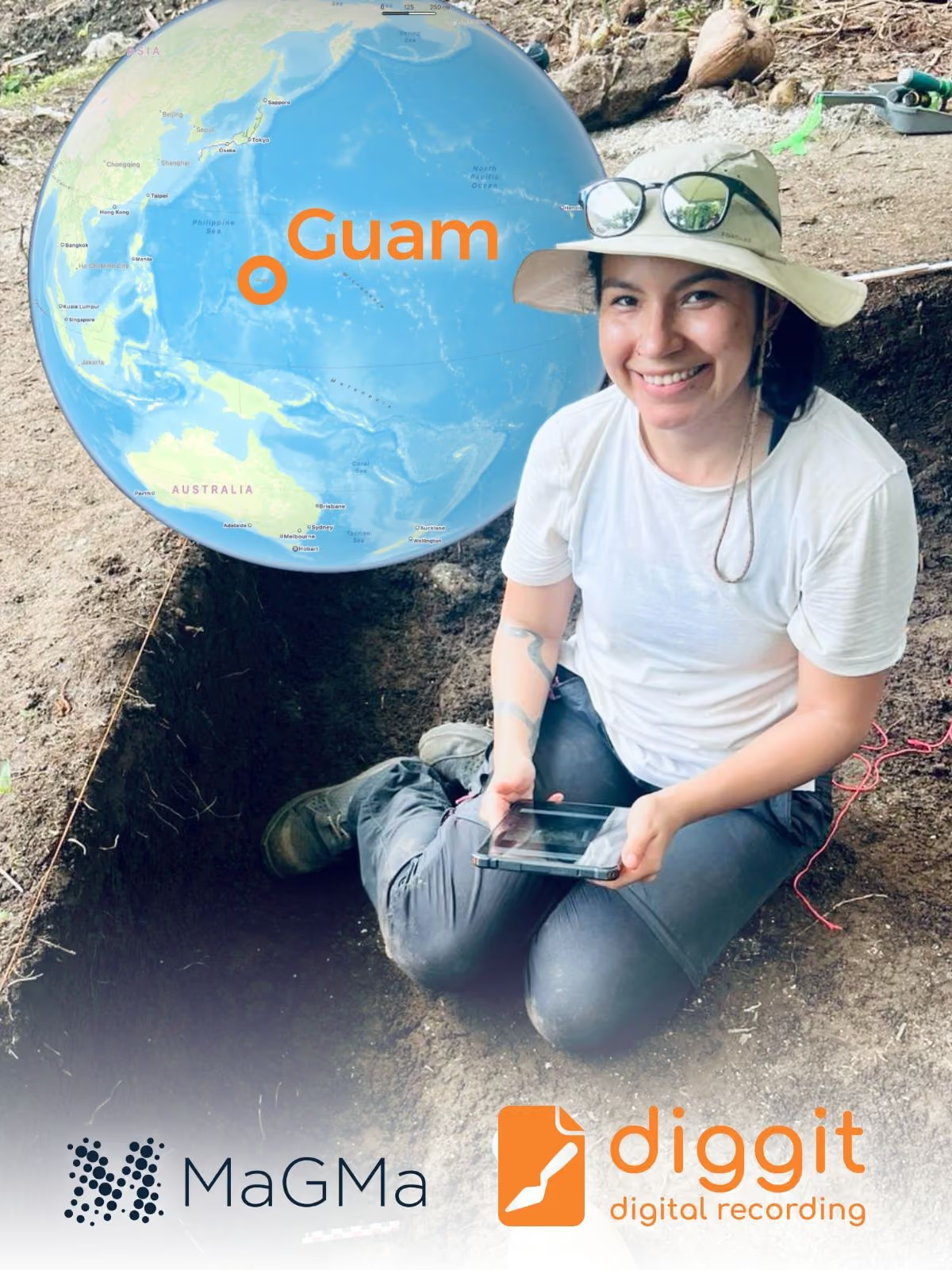
Now that's a remote site! We’re excited to see Diggit being used on the Pacific island of Guam as part of the MaGMa project from Universitat Pompeu Fabra.
They're excavating the Spanish colonial governor’s Palasyo in coastal Humåtak, uncovering structural remains of the important colonial administrative building as well as evidence of earlier indigenous CHamoru communities who have lived there since before colonial occupation.
It’s a site that captures multiple layers of history in one place, and exactly the kind of complexity that demands robust, flexible recording. It’s also a pretty good test of field conditions!
You can find out more about the MaGMa Project here or on Instagram @magma_erc
We love getting out on site, and recently visited Diggit users at Cerney Wick - one of the UK’s most significant palaeontological excavations.
The project brought together more than 200 archaeologists, palaeontologists, and volunteers from over 20 universities, all using Diggit to record Jurassic and Ice Age discoveries digitally.
Seeing Diggit applied to a palaeontological context is particularly exciting, and we especially enjoyed seeing the system used to train future professionals.
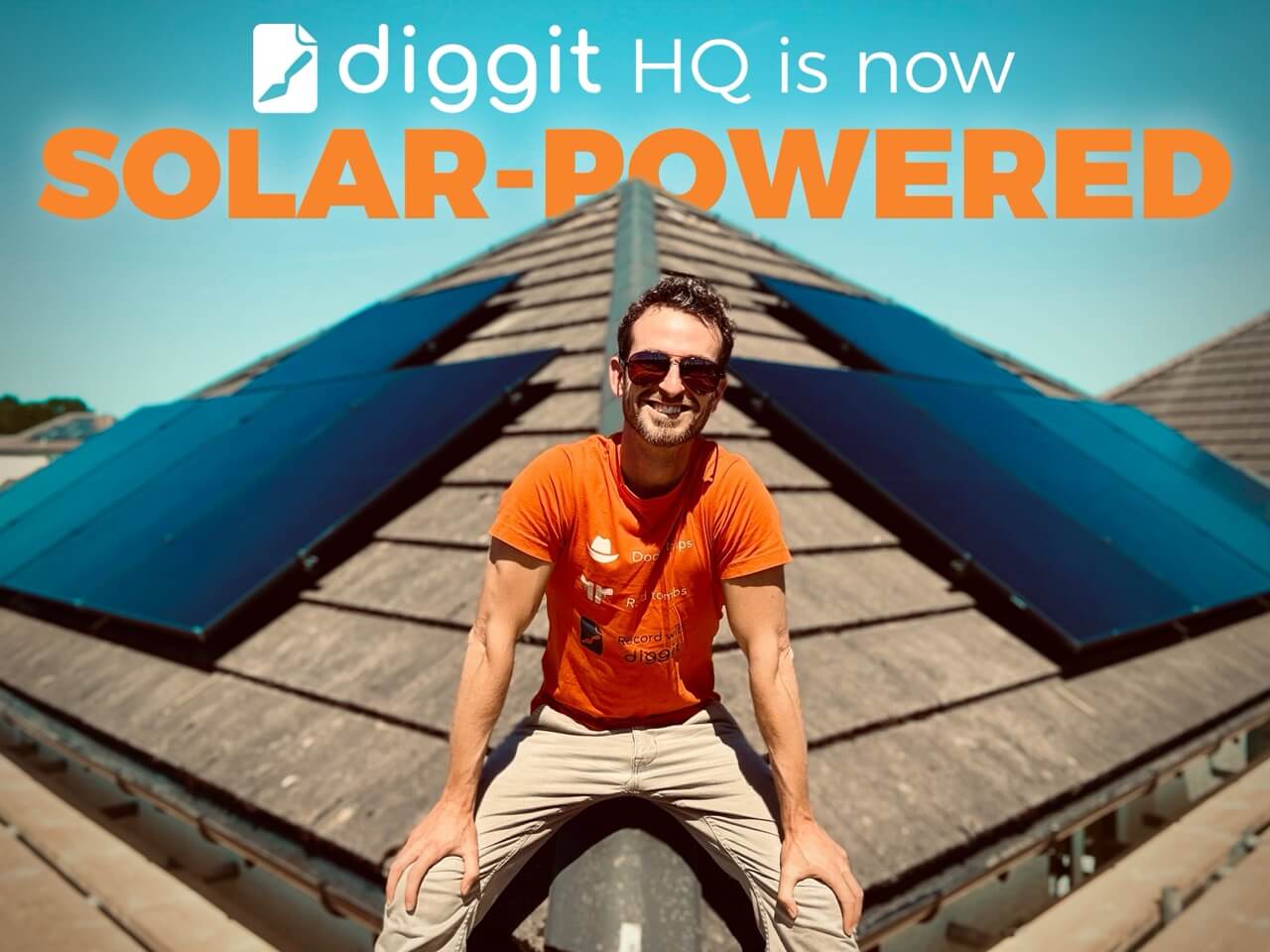
We’ve taken another sunny step toward sustainability: Diggit’s main operations now run on 100% solar energy!
After a summer of heatwaves here in the UK, we've installed 15 solar panels to ensure that -for the vast majority of the year- Diggit HQ is powered entirely by the sun.
Combined with the paper-saving power of Diggit, we’re proving digital recording can reduce environmental costs as well as admin headaches.

We’re making digital archaeology more accessible. To help organisations move away from paper recording, we’re now offering a 4-month free trial of Diggit to UK & Ireland archaeology teams.
With unlimited use, you’ll have time to:
• Get your full team involved
• Scale from small test pits to large excavations
• See the benefits of structured, live site data
• Instantly generate report tables and PDFs
There's never been a better time to adopt the UK’s most popular paperless recording system.
Interested? Get in touch here.
We're proud to announce that we're sponsoring CORE Archaeology and the Peruvian Ministry of Culture in protecting the one and only Machu Picchu! This global treasure is facing challenges from tourism and climate change, so a vital programme led by Daniel O'Shea is bringing together volunteers and archaeologists to safeguard the site through reforestation, trail maintenance, and erosion control.
Diggit is providing funding to support this project, and we'd like to say a huge thanks to our users - you make partnerships like this possible!
Check out our video to see the impact of this incredible work.
Honestly, there aren't a lot of cool clothing options for archaeology. So, we've created Diggit Merch!
Sustainable gear for archaeologists, with all profits supporting Trees for the Future -a charity helping communities restore land and build thriving food systems.
👷 Designed by Diggit, for archaeologists
🌱 Carbon-neutral manufacturing
🌲 Every purchase supports reforestation and sustainable farming
Get yours today and wear your passion for archaeology while making a real impact on the planet!
It's finally here! Designed with Malin Holst of York Osteoarchaeology, Diggit's new update streamlines in-situ coffin and skeletal recording.
🔹 Ready to use for all excavation scenarios
🔹 60+ custom icons for a guided, efficient workflow
🔹 Touchscreen-optimised recording for all age groups
🔹 Live, standardised data for office and post-ex work
Built on:
✔️ MOLA recording standards
✔️ 10+ skeletal recording manuals
✔️ 30 years of osteoarchaeological expertise
Faster, clearer, and fully standardised—see how Diggit can enhance your recording today.
Urban archaeology presents unique challenges, especially in fast-paced environments like Hong Kong. Diggit is designed to handle the complexities of dense stratigraphy, ensuring streamlined recording and reliable data -no matter the location.
On our recent visit, we saw firsthand how Diggit is supporting teams on the ground, helping them document their findings efficiently in one of the world’s most dynamic cities.

Thanks to our talented volunteer translators worldwide, Diggitmobile is now available in 7 other languages:
🇮🇹 Italian
🇪🇸 Spanish
🇫🇷 French
🇵🇹 Portuguese
🇩🇪 German
🇨🇿 Czech
🇬🇷 Greek
Diggit’s standardised data is all stored in the same format - so individuals can record in whichever language they prefer (with the exception of free text entry).
Multilingual support is still in beta, meaning that some terminology may need improving.
Spot a translation that could be improved? Let us know!
